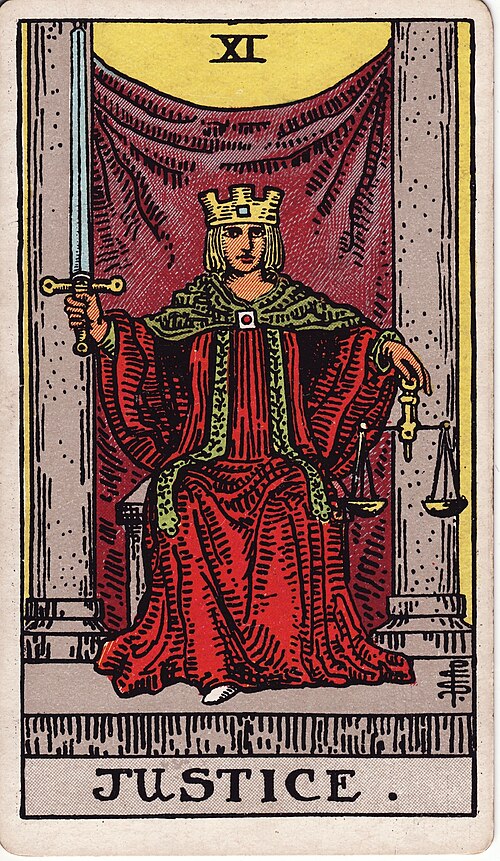
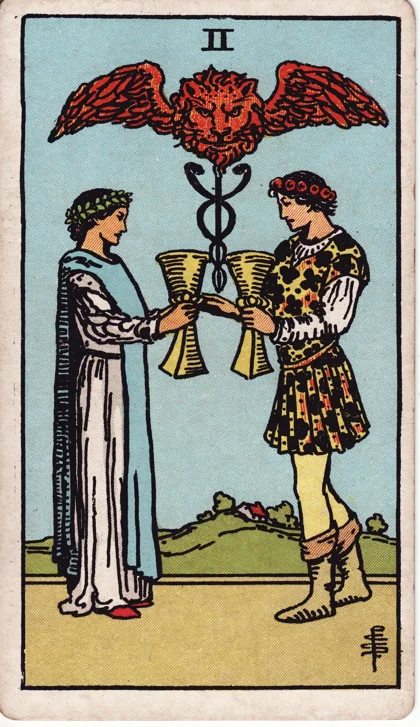
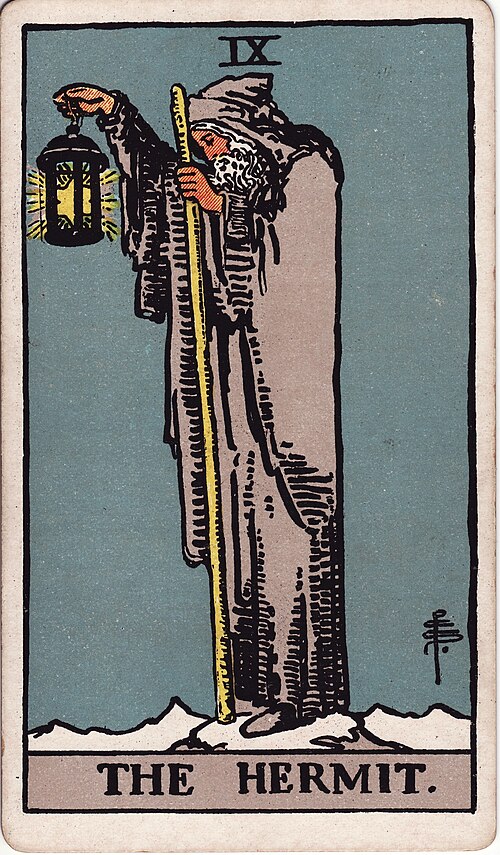
A first tarot reading can be simple: choose a question, draw a few cards, observe the pictures, and connect the themes to something you can actually do. The cards give you a structure for reflection. They do not give you verified information about the future or another person’s private thoughts.
Understand the deck before memorizing it
A standard tarot deck contains 78 cards. The 22 Major Arcana explore broad themes such as change, choice, responsibility and completion. The 56 Minor Arcana bring attention to everyday situations. They include four suits, each with an Ace through Ten and four court cards: Page, Knight, Queen and King.
In the Rider–Waite–Smith tradition used here, Cups often concern feelings and relationships; Wands, initiative and creativity; Swords, thought and communication; and Pentacles, resources and practical effort. These are starting points, not rigid rules. A work question can involve Cups because relationships matter at work, too.
Ask a question you can work with
“What could help me approach this conversation?” gives you more room to act than “Will everything go my way?” Name one situation and keep the question within your own choices. Write it down before drawing, so you do not keep changing the question to fit a pleasing answer.
If you feel unsure where to begin, try: “What deserves my attention today?” Our free daily card is designed for that smaller starting point.
Look before you look up
Notice three concrete details: what someone is doing, what is around them, and whether the scene seems still or active. Separate observation from interpretation. “The figure carries several sticks” is an observation; “I am carrying too many responsibilities” is one possible interpretation.
Next, check the card’s meaning. Let that traditional theme refine your first impression. You do not need to invent an elaborate story from every color or symbol.
Connect the cards instead of listing definitions
Suppose you draw the Magician, Four of Swords, and Eight of Pentacles while thinking about a personal project. A useful shared message might be: you have something to work with, but a deliberate pause and regular practice could help more than another burst of effort.
This is an illustrative interpretation, not evidence that the project will succeed. The useful test is whether it helps you identify a realistic next action.
Finish with one action and a note
Write a sentence beginning “Today I can…” and choose something small enough to complete. Later, record what happened and what you learned, including anything that did not fit. A journal is more useful when it captures disagreement as well as recognition.
Try the free three-card reading when you want a little more context. There is no account, payment, or special equipment required.
Do beginners need reversed cards?
No. Upright-only readings are a valid way to learn. If you choose to include reversals, consider a theme that is blocked, inward, excessive or developing slowly. A reversed card is not automatically a bad outcome. Our reading options let you turn reversals off.