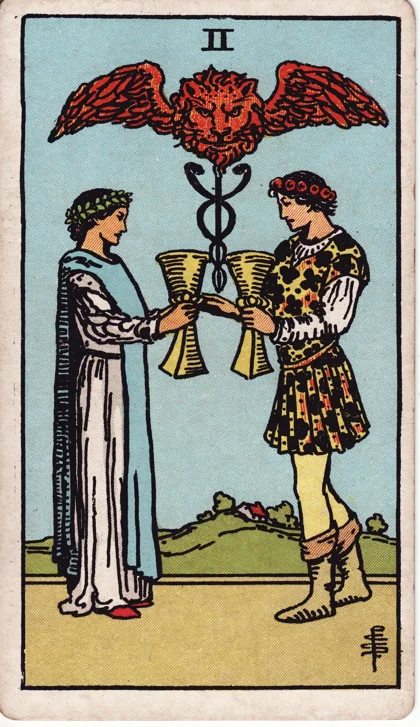
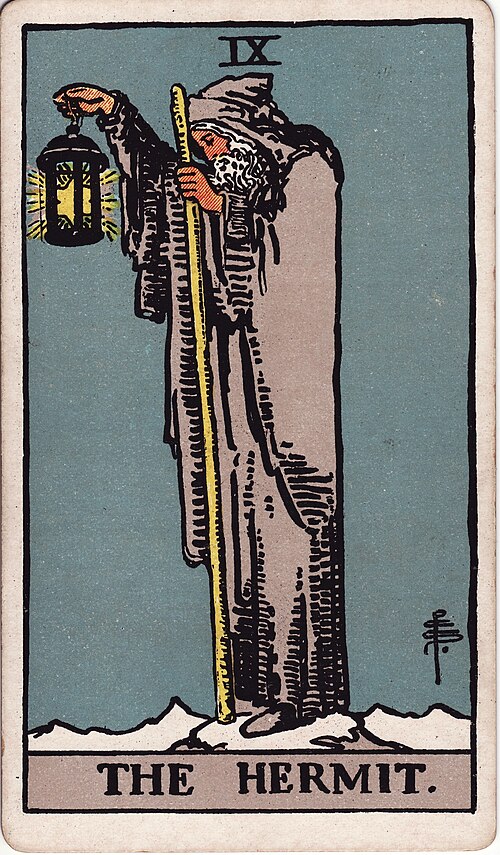
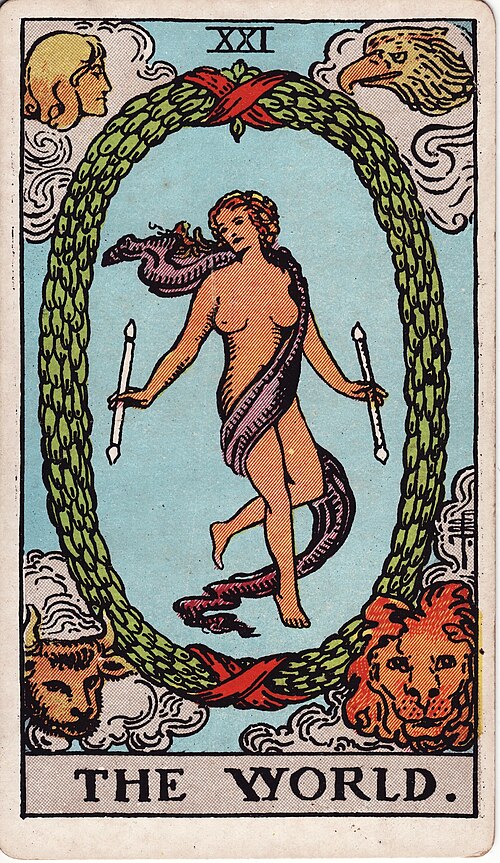
Yes or no tarot compresses a card’s theme into a directional answer. That can make a question easier to approach, but it also removes nuance. A symbolic “yes” is not a probability, a guarantee or evidence that an event will happen.
Different readers use different rules
There is no single universal list assigning every tarot card a fixed yes or no. Some readers use the card’s theme, some use orientation, and some use a particular spread. Comparing two systems can therefore produce different answers without either providing factual evidence.
Our free yes or no tool uses a disclosed editorial method: cards associated with initiative or support lean toward trying a small step; cards associated with release or conflict lean toward pausing; uncertain or inward-looking themes ask for more information. Reversals receive a cautious, conditional response. This is a reflection rule, not a prediction engine.
Ask about an action within your control
“Would it be useful to ask for feedback?” is more workable than “Will they choose me?” Keep the action specific and reversible where possible. Include an ordinary time frame when it helps, such as sending a draft this week rather than changing your entire career.
Before drawing, write down the facts that would matter to the decision. The card should help you examine those facts, not replace them.
Read the condition after the answer
If the response leans toward action, ask what preparation would make that action sensible. If it suggests pausing, ask what needs to change or become clearer. If it remains uncertain, name the information you would need before deciding.
For example, a theme of initiative might encourage sharing a small prototype, while the condition asks you to define what feedback you need. It would not establish that everyone will like the work.
Do not turn repeated draws into a vote
Drawing until you get several positive cards does not produce a more reliable answer. It changes the exercise into a search for reassurance. Keep the first reading, note your reaction to it, and return after you have taken a step or learned something new.
Your reaction can be useful: relief may tell you what you hoped to choose; disappointment may reveal an unspoken preference. Neither feeling proves the choice is right.
Use a wider reading when the choice is complex
If the question contains several decisions, a yes or no may be too narrow. A three-card reading offers more room for the situation, its tension and a practical response. For health, legal, safety or financial matters, use qualified help and reliable evidence rather than the cards.