The standard tarot deck contains two connected parts: 22 Major Arcana and 56 Minor Arcana. Understanding this structure makes learning less overwhelming. You can place a new card within a family before trying to remember its individual details.
Major Arcana: broad themes and transitions
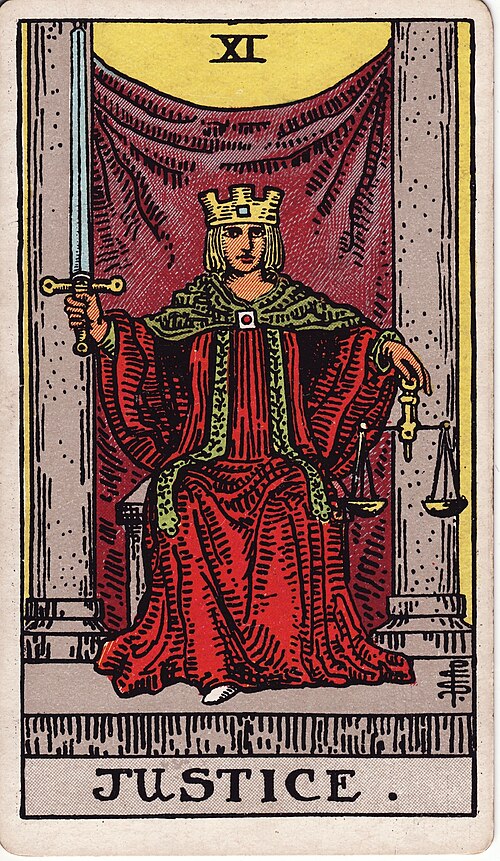
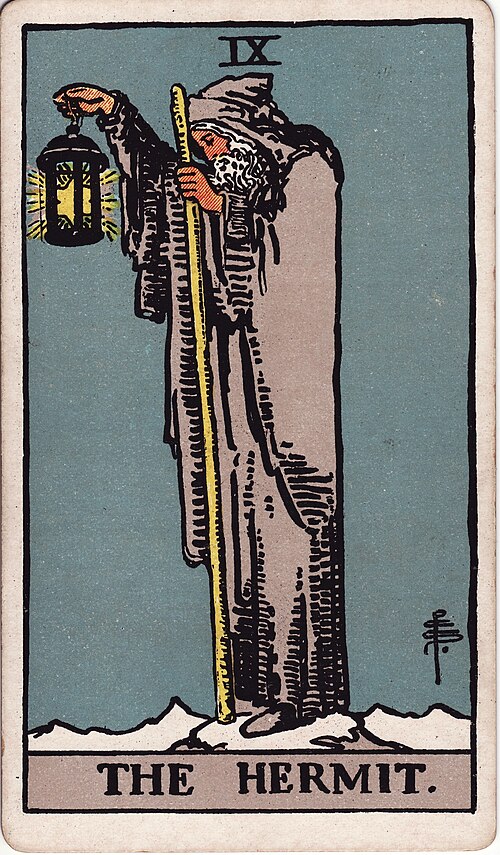
The major cards include familiar images such as The Fool, The Lovers and The World. They are often read as larger themes: beginning, commitment, change, perspective or completion. They do not prove that a dramatic event is about to occur.
Several major cards in a reading can invite you to consider the wider meaning of a situation. But a practical question still deserves a practical answer. Even a broad theme such as change may translate into revising a routine or having one conversation.
Minor Arcana: four areas of everyday experience
The minor cards are organized into four suits. In the tradition used on this site, their usual associations are:
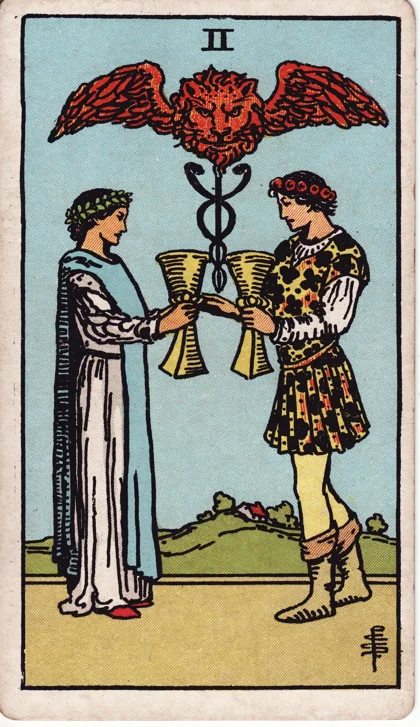
- Cups: feelings, connection, imagination and emotional needs.
- Wands: energy, motivation, creativity and initiative.
- Swords: thought, language, decisions and conflict.
- Pentacles: resources, skills, routines and material life.
These areas overlap. A relationship involves practical arrangements as well as feelings; a creative project involves decisions as well as enthusiasm. Let the suit highlight an angle rather than dictate the entire subject.
Numbers provide clues, not a shortcut
Each suit runs from Ace to Ten. An Ace can introduce a quality or possibility; a Ten often raises questions about what a process has accumulated or reached. Compare the pictures rather than assuming that every card with the same number means exactly the same thing.
For example, the Ten of Cups and Ten of Wands can both suggest an accumulation, but their images invite very different questions: shared contentment in one, and the burden of carrying a great deal in the other.
Court cards describe ways of responding
The Page, Knight, Queen and King complete each suit. They can represent people, qualities or approaches. You do not need to assign a fixed gender, age or physical appearance to them. A Page may invite a beginner’s curiosity; a Knight can suggest active pursuit; a Queen or King may explore stewardship and maturity in different ways.
Practice with two cards from the same family
Open the 78-card library and filter by one suit. Choose two cards. Describe what changes between the scenes, then read their meanings. Write a situation in which each perspective might be useful.
This comparison builds a richer understanding than memorizing a list of keywords alone. It also helps when you begin reading several cards together.